English
 Français
 Deutsch
 Italiano
 Português

Peter Pewas
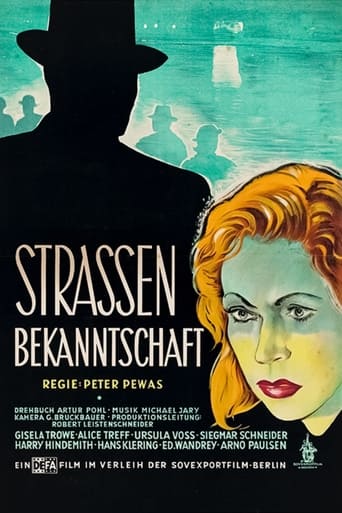
April 22, 1904, in Berlin, made an apprenticeship as a metal worker after finishing school and worked in his job in Czechoslovakia and in Austria. In 1920, he went to Weimar"s Bauhaus for nine months and studied under Paul Klee, Wassily Kandinsky, and Laszlo Moholy-Nagy. From 1933 on, Pewas worked as a freelance commercial artist and created film posters and movie theatre adverts. In 1932, Pewas started a documentary film project about Alexanderplatz but was arrested by the Gestapo during filming in 1934 and his footage was confiscated. Suspected of high treason, Pewas was sent to jail twice. After his release, he continued to work as a commercial artist in the movie business. Then, Pewas started to study directing at film academy and worked as an assistant director for Wolfgang Liebeneiner"s films "Bismarck" (1940) und "Ich klage an" ("Accuse, I", 1941). In 1942, he worked for Tobis and made the short films "Eine Stunde" und "Zweiklang". In 1943, Pewas finished his first feature-length film for Terra, the heavily stylized elegiac melodrama "Der verzauberte Tag" – a film that in its aesthetics was diametrically opposed against contemporary fashion. The film was accused of "cultur...
Peter Pewas aparece en Pankow ’95, Kennzeichen Luftballon, Alexanderplatz überrumpelt, Er ging an meiner Seite, Der nackte Morgen.
Películas destacadas
Pankow ’95
1983
Kennzeichen Luftballon
1967
Alexanderplatz überrumpelt
1934
Er ging an meiner Seite
1958
Der nackte Morgen
1956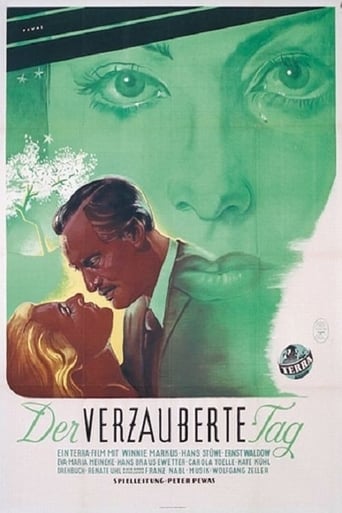
Der verzauberte Tag
1944Menschen - Städte - Schienen
1949Vormittag eines alten Herrn
1962Wohin Johanna?
1946
Herbstgedanken
1951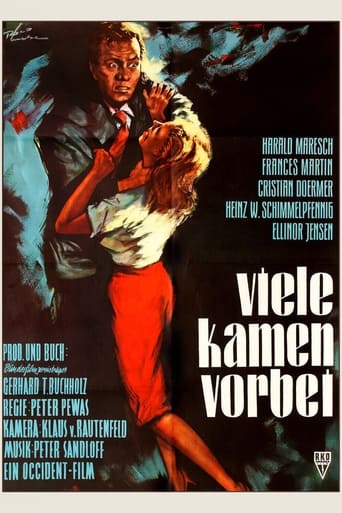
Viele kamen vorbei
1956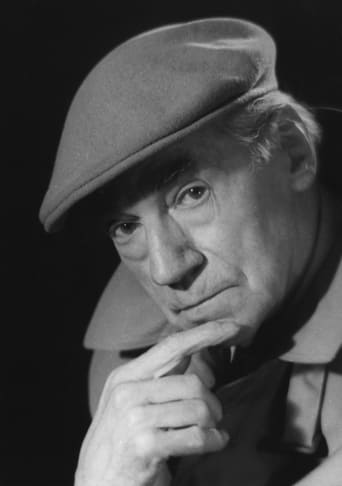
Plötzlich ist das Ende da
1985Eine Stunde
1941Beruf oder Job?
1961